
Shifts in Play Approaches Driven by Evolving Bonus Structures Within Wireless Roulette Sessions
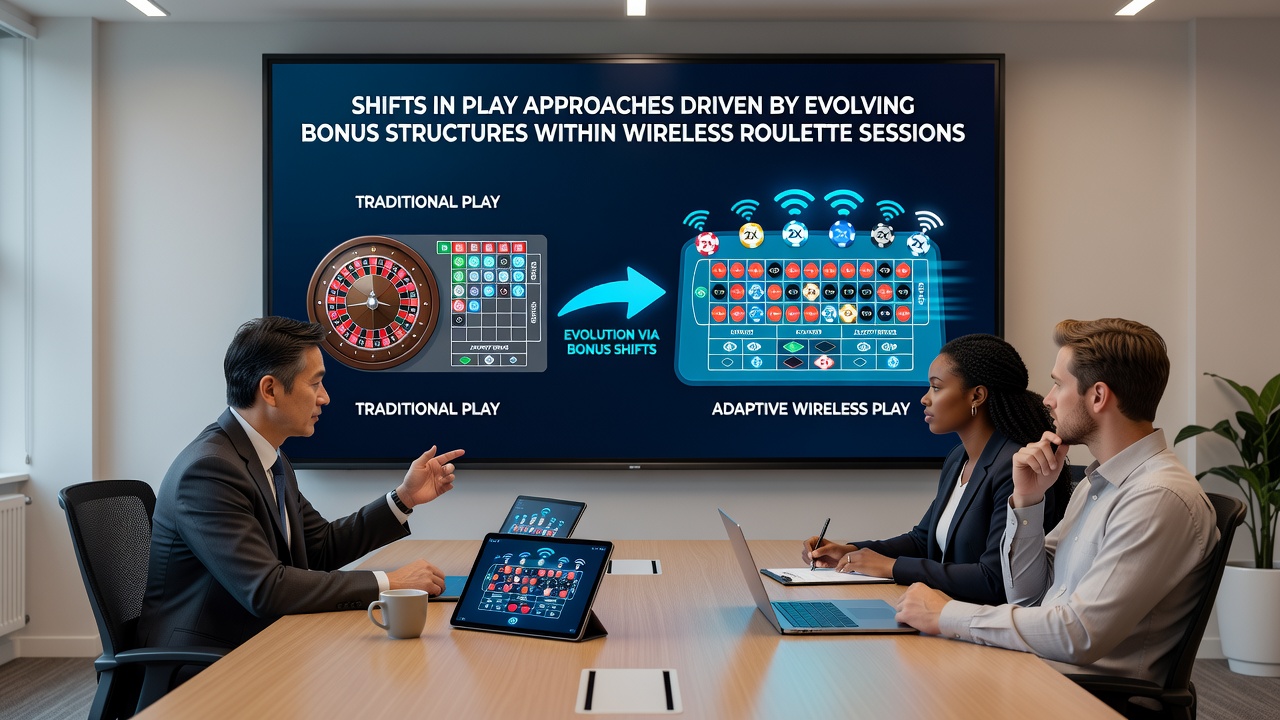
Wireless roulette sessions have undergone measurable adjustments in player tactics as operators refine bonus frameworks across mobile platforms, and these modifications reflect broader industry responses to regulatory updates alongside technological capabilities that track engagement metrics in real time. Data compiled through 2025 shows that bonus offerings such as tiered deposit matches, time-limited cashback on net losses, and loyalty multipliers tied to session duration now influence bet sizing patterns more directly than in prior years. Observers note that players frequently extend session lengths when cashback thresholds approach activation levels, whereas shorter bursts occur under structures that reward rapid volume accumulation instead.
Changes in Bonus Mechanics Across Mobile Platforms
Operators have shifted from static percentage-based deposit rewards toward dynamic systems that adjust based on individual play history, and this evolution stems from enhanced analytics tools available on wireless networks. According to reports issued by the Malta Gaming Authority, bonus structures incorporating progressive wagering requirements saw adoption rates rise by 18 percent between 2023 and 2025. Players encounter terms that scale multiplier values depending on consecutive spins without interruption, which encourages sustained engagement on tablets and smartphones over desktop alternatives. Research from gaming technology firms indicates that such layered incentives correlate with altered chip denomination selections, as participants often reduce average bet amounts to meet playthrough conditions without exhausting bankrolls prematurely.
Observed Adjustments in Betting Patterns
Analyses of aggregated session data reveal that bonus-driven promotions prompt measurable deviations from standard martingale or flat-betting sequences, while participants prioritize completing requirement cycles before pursuing higher-risk outside bets. Those monitoring mobile roulette trends report increased frequency of inside-number wagers when bonuses include free-bet equivalents that reset upon specific outcomes. Figures released by the Nevada Gaming Control Board highlight a 12 percent uptick in even-money selections during promotional windows that feature loss-rebate caps, suggesting participants hedge to preserve eligibility for ongoing rewards. These patterns hold across regions where operators deploy geolocation-linked bonuses that activate only during peak evening hours on wireless connections.
Regional Variations and Regulatory Influences Through Late 2026
European markets demonstrate faster integration of bonus structures that tie rewards to verified mobile device usage, whereas North American jurisdictions maintain stricter separation between promotional credits and real-money wagers. Industry compilations from the American Gaming Association indicate that cross-border operators adjusted their mobile interfaces ahead of November 2026 to accommodate anticipated updates in data-privacy rules affecting bonus personalization algorithms. Participants in these environments often recalibrate session goals, moving from maximum-exposure strategies toward measured progression that aligns with accumulating loyalty points convertible across multiple game types. Studies conducted by academic teams at institutions in Canada further document how bonus expiry timers influence exit timing, with users completing required spins in concentrated blocks rather than spreading activity evenly.
Technical Factors Enabling Behavioral Shifts
Advancements in app-based tracking permit operators to deliver context-specific bonuses that respond to current bankroll levels or recent outcome sequences, and this capability alters decision trees during live dealer wireless roulette. Experts examining interface logs observe that push notifications about nearing bonus milestones coincide with temporary spikes in minimum-bet adherence, allowing players to stretch promotional funds across more rounds. Data aggregation platforms record corresponding drops in variance-seeking behavior once users lock in qualifying wagers, yet rebound effects appear once requirements clear and standard play resumes. Such mechanics operate within frameworks established by bodies like the Australian Communications and Media Authority, which oversees disclosure standards for mobile-specific promotions.
Conclusion
Wireless roulette continues to reflect ongoing refinements in bonus architecture that directly shape session management and wager selection across devices. Available metrics through November 2026 underscore consistent correlations between promotional design elements and observable play adjustments, with operators and regulators alike monitoring these dynamics through established reporting channels. These developments remain grounded in technical and compliance factors that continue to evolve alongside mobile infrastructure.