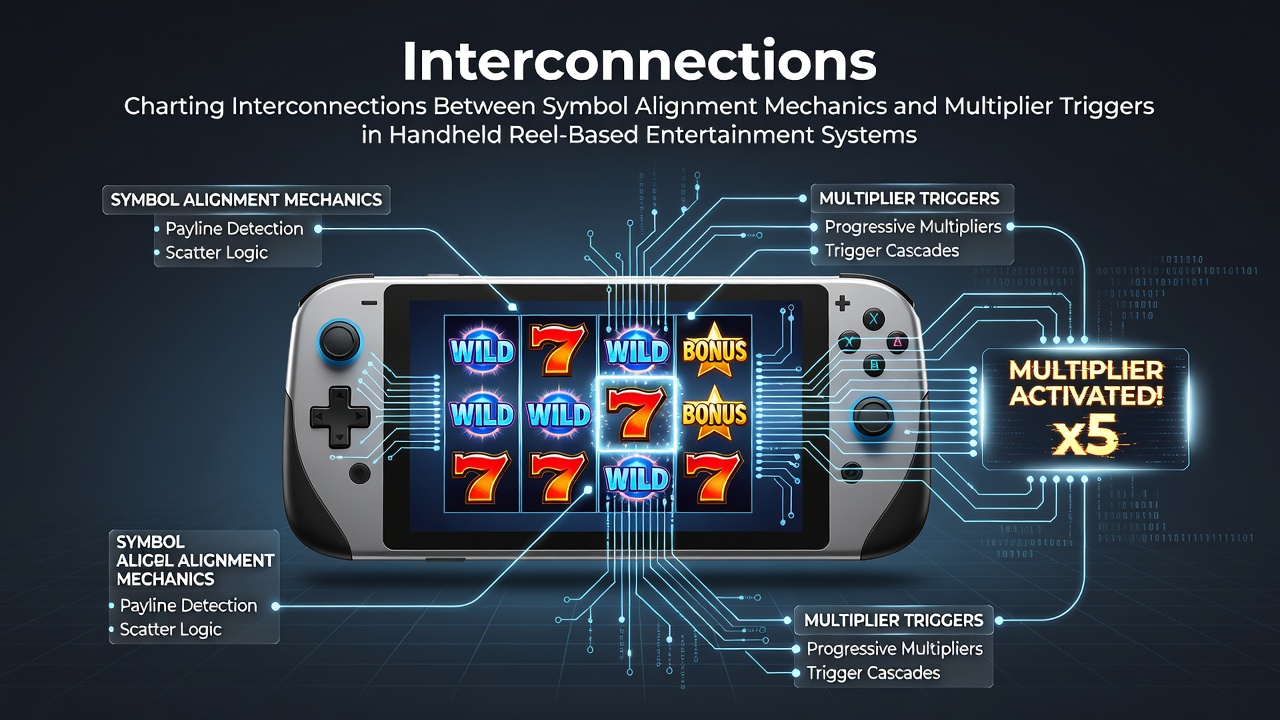
Charting Interconnections Between Symbol Alignment Mechanics and Multiplier Triggers in Handheld Reel-Based Entertainment Systems
Handheld reel-based entertainment systems operate through precise coordination between symbol positions on virtual reels and the activation of multiplier values during active spins. These devices rely on random number generators that determine symbol placement on each reel before any visual animation occurs, and alignment occurs when matching symbols land on designated paylines or in scatter formations. Multipliers then apply to the resulting payout once specific alignment conditions meet predefined thresholds set by the game rules.
Mechanics of Symbol Placement in Portable Reel Systems
Symbol alignment begins with the generation of reel strips that contain weighted combinations of standard symbols, wilds, and scatters, and each spin maps these elements onto a grid visible on the handheld screen. Alignment triggers evaluation across fixed or variable paylines, where consecutive matches from left to right or in other patterns determine base awards. Observers note that handheld formats often compress these evaluations into fewer visible reels compared with larger cabinets, yet the underlying mapping logic remains consistent across platforms.
Studies of mobile slot architectures show that reel positions update through pseudorandom sequences refreshed at high frequency, and alignment success depends on both the frequency of high-value symbols and the distribution of special icons that carry multiplier potential. Data from technical compliance reports indicates that regulatory testing verifies these sequences maintain statistical fairness before market release.
Multiplier Activation Pathways
Multiplier triggers activate when aligned symbols satisfy conditions such as consecutive wild substitutions or scatter counts reaching bonus thresholds. In many handheld titles these triggers attach to specific symbol types, so a three-symbol alignment on a payline might apply a 2x factor while five symbols extend the value to 10x or higher. Researchers have mapped these pathways to show that multipliers often layer during bonus rounds where reel expansions or additional wilds increase alignment probability.
Industry documentation from the Nevada Gaming Control Board outlines how multiplier values integrate with alignment checks, ensuring each payout calculation accounts for all active modifiers before final display. This integration prevents overlap errors during rapid successive spins common on portable devices.
Interconnections in Mobile Contexts
Connections between alignment and multipliers become especially visible in handheld sessions because screen real estate limits simultaneous display of multiple bonus states. When symbols align in patterns that also satisfy multiplier criteria, the system calculates combined values in a single pass rather than sequential steps. This efficiency supports smoother performance on devices with limited processing power.
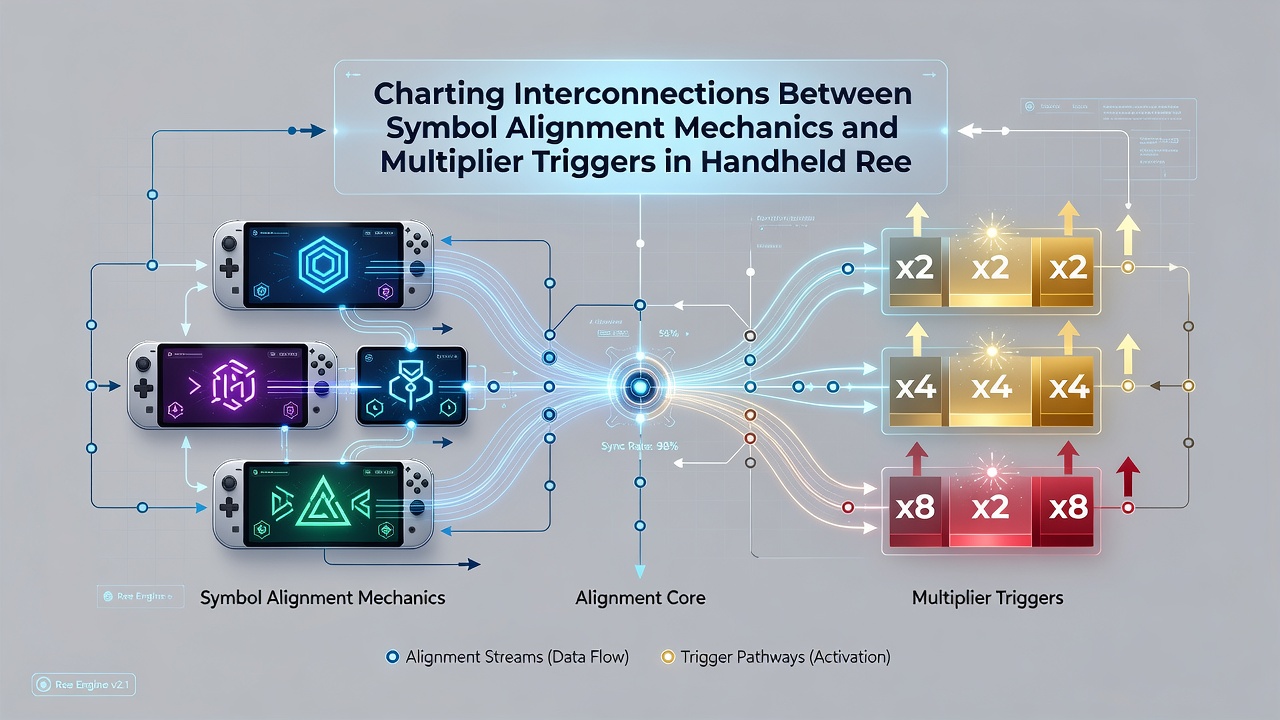
One analysis of cross-platform titles revealed that alignment sequences incorporating stacked wilds frequently precede the highest multiplier applications, and portable versions replicate these sequences through optimized animation queues. Figures from gaming association reports further indicate that player engagement metrics rise when alignment and multiplier events coincide within the same spin cycle.
Regulatory and Technical Standards
Compliance frameworks require independent verification that symbol alignment logic cannot be influenced by external factors once a spin initiates. Australian Gambling Research Centre publications describe testing protocols that simulate thousands of alignment scenarios to confirm multiplier triggers respond only to legitimate reel outcomes. These protocols extend to handheld deployments where network latency might otherwise affect result display.
Updates scheduled for October 2026 include expanded requirements for real-time logging of alignment-multiplier events on mobile platforms, allowing regulators to audit sequences across different device types without requiring physical inspection.
Implementation Examples Across Titles
Portable games released in recent years demonstrate varied approaches to linking alignment with multipliers. Some titles embed multipliers directly into special symbols so that any alignment automatically scales the payout, while others reserve multipliers for dedicated bonus features triggered only after specific scatter alignments occur. Technical reviews show both approaches undergo identical random number generator certification yet produce distinct gameplay rhythms on handheld screens.
Engineers adjust reel weighting tables to balance the frequency of high-alignment outcomes against multiplier rarity, and this calibration appears in game mathematics sheets submitted during licensing. Such adjustments maintain target return percentages while preserving the visual appeal of frequent small alignments paired with occasional larger multiplier events.
Conclusion
Symbol alignment mechanics and multiplier triggers function as interdependent components within handheld reel-based systems, with each alignment evaluation feeding directly into multiplier application logic. Technical standards from multiple jurisdictions confirm that these interconnections undergo rigorous testing to preserve fairness across portable platforms. Continued refinement of these systems, including enhancements planned for late 2026, supports consistent performance regardless of device constraints.